There is no single inventor of the spiral staircase. Like most great ideas, it was refined over centuries — from Roman engineering to medieval castles and Renaissance palaces.
The medieval invention
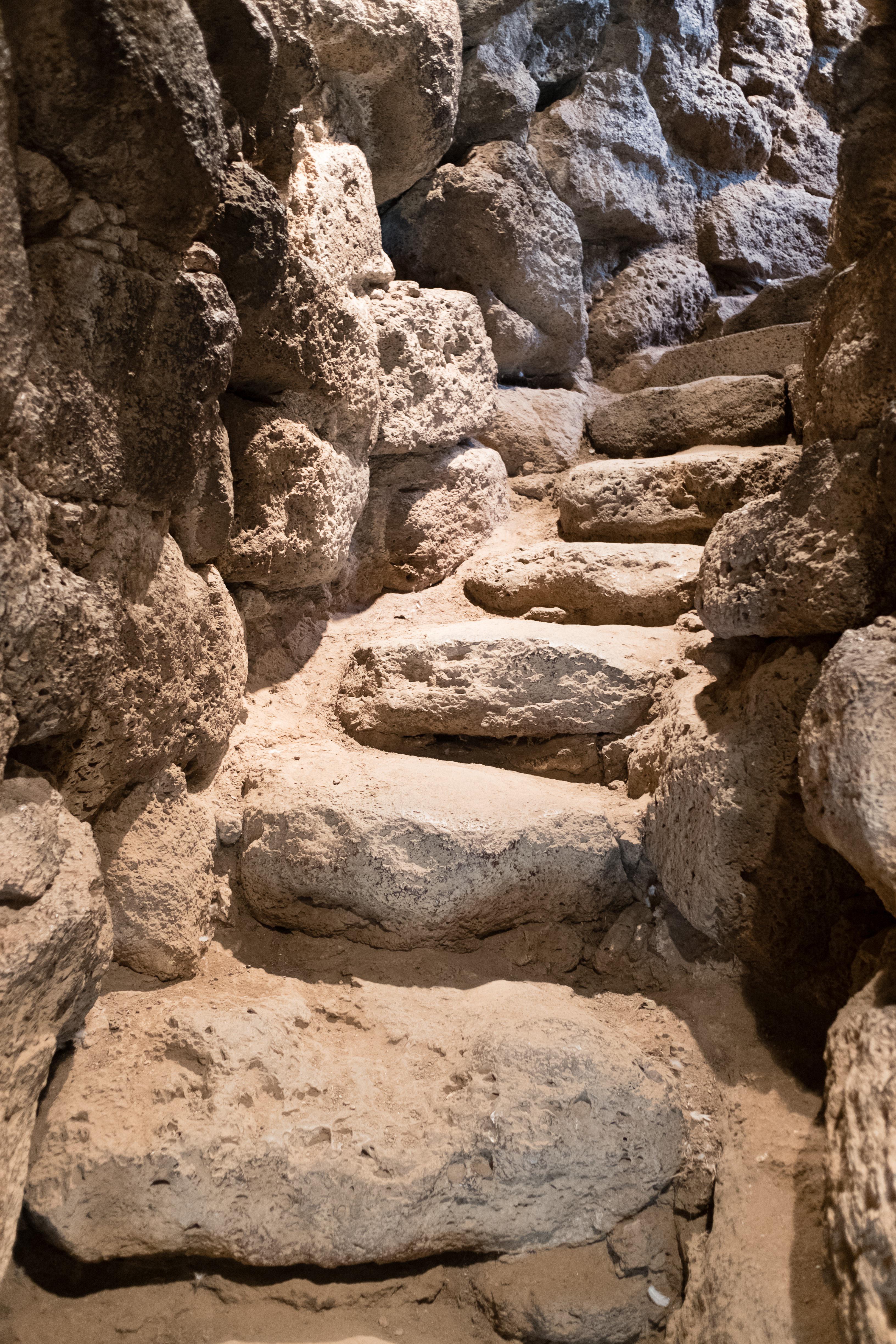
The true ancestor of the modern spiral staircase appeared in medieval Europe, inside castle towers and church spires. Because stone was scarce and space was tight, masons wound steps around a central pillar (the newel), creating a stair that climbed steeply inside a small footprint.
Castle stairs were often built clockwise going up. One popular theory says this gave right-handed defenders, climbing down, more room to swing a sword while attackers climbing up were blocked by the central column. The idea is still debated by historians, but the design itself is undeniable.
From defence to elegance
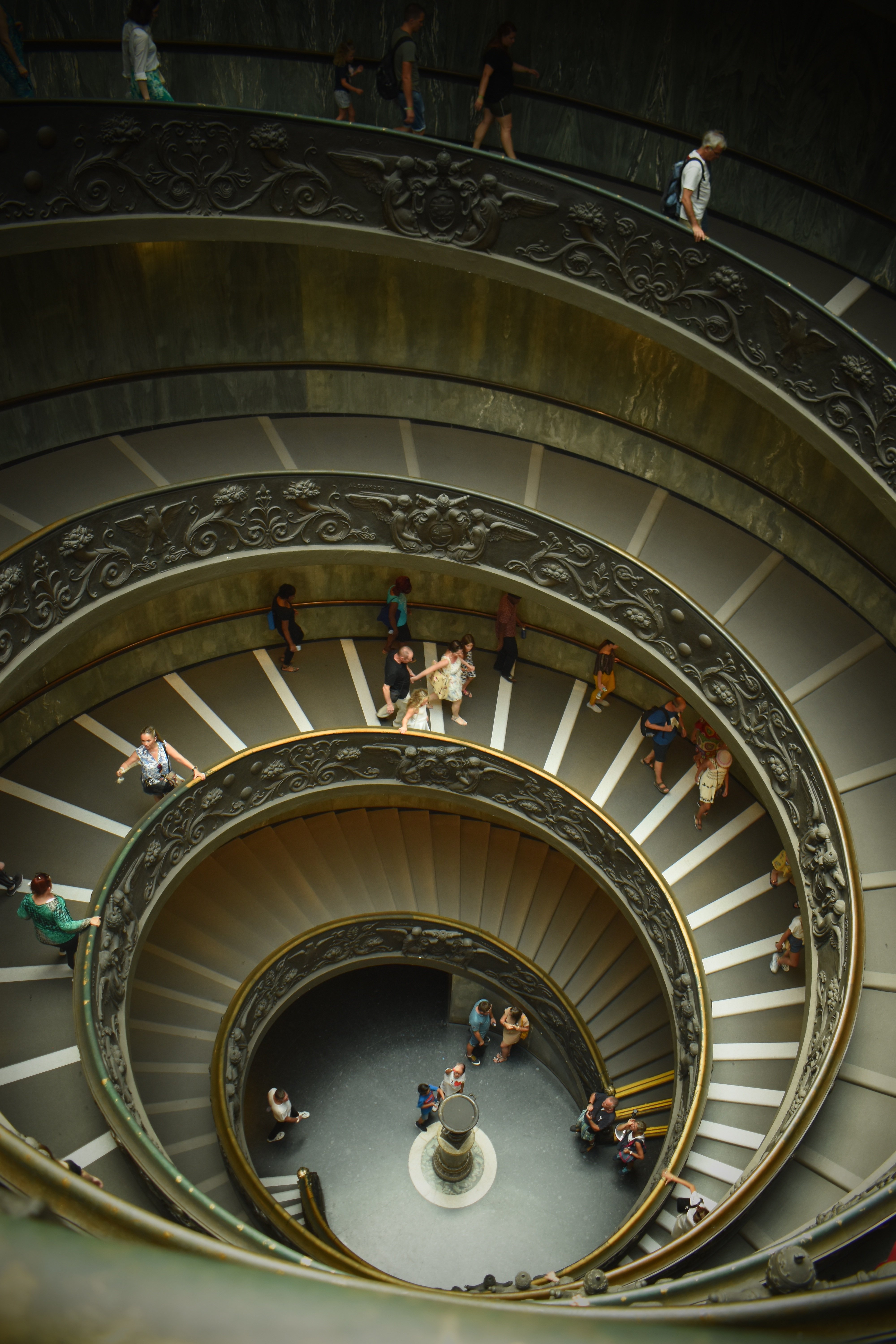
By the Renaissance, the spiral had left the battlefield. Architects like Bramante (the Vatican's famous double-helix staircase) and the builders of grand palaces turned the winding stair into a sculpture of light and stone. Baroque staircases, such as the one in the photo above, became theatrical centrepieces.
A small spiral staircase timeline
- c. 11th century — spiral stairs become standard in Norman castles.
- 14th–15th centuries — taller, more refined stone newel stairs in churches.
- 1500s — Renaissance double-helix staircases (Bramante, Chambord).
- 1800s–today — cast iron, then steel and wood kits make spirals affordable for homes.
Today you do not need a castle to have one. See how to calculate a spiral staircase or compare spiral vs straight stairs for your project. For the geometry that makes the shape work, read why spiral stairs work in nature.